Is HomePod Dead?
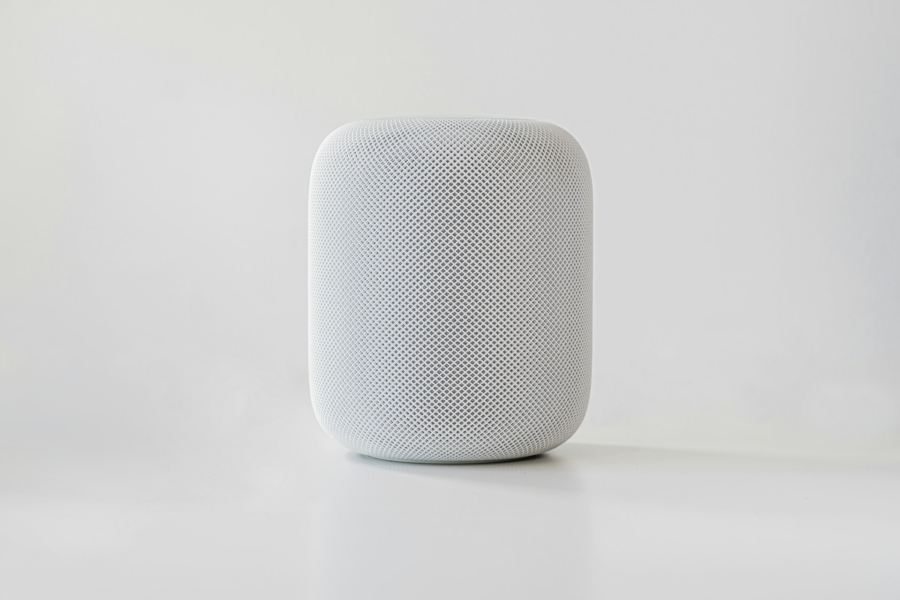
HomePod is truly a product of its time. Its core feature is to stream Apple Music with Siri. Some side hustles it can pull off: AirPlay smart speaker, or wireless home hub, but I tend to agree with the community consensus the wireless hub only works in principle. None of these features are unique to HomePod, let alone the most polished.
I can’t speak for all music, but I tend to listen to a variety of non-English music, among them German for classical, Japanese and Korean for their respective pop. And let’s just say Siri, ever since HomePod was released, has never been a good DJ for non-English music. Yes, it was good enough to play music on the Billboard charts that I would pick for white noise, but you could do the same job on any speaker with an AirPlay receiver. So it became a wireless AirPlay speaker for me.
But speakers quickly became smart and caught up. In fact, when I was looking for a pair of speakers for my desktop, I had to specifically look for “dumb” speakers. Again, if you could do the same job with any other speaker, HomePod essentially renders itself just another speaker on the market.
The home hub is an interesting one. For years, HomeKit prioritized HomePod over Apple TV. Now that Apple TV supports dedicated IoT protocols with ethernet backhaul, neither of which my OG HomePod does, the seniority is reversed. If anything, I believe people are more likely to own multiple Apple TVs than HomePods, as HomePod itself sits in an awkward corner.
So where does HomePod sit now? With the rumors surfacing that the new HomePod may have a 7-inch display as a hub, my immediate response was: why not buy an iPad, let alone just an Apple TV? They are both products Apple is having success with. On the iPadOS side, it would take little more than a toggle to let it act as a home hub, like it used to. HomePod is truly sitting in limbo.