Tagged Apple Silicon

M5, Mac Mini, and MacBook Air

It has been 5 years since the release of first M1 Macs. M5 MacBook Pro just hit the shelves, and likely MacBook Air and Mac Mini, two popular and highly praised models from M4 will be renewed with m5 in the following year. The benchmark for M5 indicates M5 is roughly twice as fast compared to that of M1’s. It is said average consumers upgrade their computer every 3 to 5 years, so it is likely going to be the first year of major upgrade cycle on Apple Silicon.

The Sale of Intel Mac Pro Pt. 2: Regional Support

I thought to expand on the whole regional support issue I had mentioned in the prior post. If you are here for the “regional support” only, the only relevant info from the previous op-ed is that it was one of the reasons why I ended up selling my machine. Warranty and importation in South Korea are tad bit weird in my opinion.

Goodbye Intel Macs and Mac Pros

Apple is finally shutting down all Intel support for macOS in coming 2026. macOS Tahoe, or 26, will be the last version to support x86 Macs as know it. Given the timing, it means within a year or so, most users would also need to switch over to Apple Silicon unless they have specific reason to stay with an Intel machine that is no longer receiving software updates. It would also mark the end of Hackintosh endeavor as we know it.

Tariffs, Apple Silicon, and The Last Intel Mac

Few weeks ago, I hinted a notion that I was waiting for a possible MacBook Pro update, more powerful chips and OLED displays preferably, and until then my Intel Mac Pro will have to do. Now that America has started worldwide trade war against every nations and unoccupied islands, it peaked my interest how others are adapting to the possible price hike.

M4, M4 Extreme, and eGPU

eGPU, the popular Thunderbolt solution for underpowered laptops, seems to be sitting on the back burner for Apple. Considering MacBooks did open the way with much of the eGPU devices and support in the early days, it does make me wonder if the Californian company is seriously considering to make Apple Silicon chips to compete against dGPUs. Despite their outrageous price range, —flagship graphics card can easily account for one-third, if not half of the laptop’s price tag— there is always a demand. And I believe Mac Mini, with its affordable price and scalability, has shown that there is still…

Native Support, Bootcamp, and GPTK

As much as I appreciate native Mac supports in PC gaming, there is something to be said about the overall quality of the support. Some games are simply not optimized. Its performance is either subpar or some advanced settings are simply unavailable for native versions. Some games run into glitches that are unique only to Mac players. Bugs are bound to happen differently on each platforms, but it becomes problematic when the game chooses not to address it. Some games even drop the ball on cross play and cross progression, in order to release their PC version first.

Intel Mac, DirectX 12, and GPTK

Apple Silicon is more than a mere brand name for Apple branded chips. It’s now a platform that is synonymous with every tools that come with it. This, in turns, has a side effect of “killing off” Windows compatibility softwares, for the lack of more broader term, on Intel Macs. Not that it doesn’t have a trump card in its sleeves.

iPad, Apple Silicon, and MacBook Air

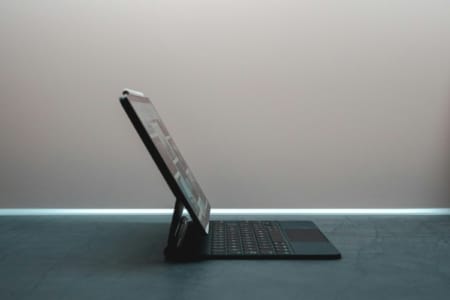
I’ve had few iPads of my own. I’d like to believe each was better than the last. Front facing camera and mic helped for video chats. Touch ID and Face ID were nice additions, when Macs didn’t offer biometrics. Retina display also landed on iPad lines first, and iOS apps were first to adapt them in masses. With keyboard and trackpad attached to the case, it made a great secondary computer sitting on the side of the desk. USB-C ports on the case and the device itself was another added benefit. And best of all, the battery lasted the whole…