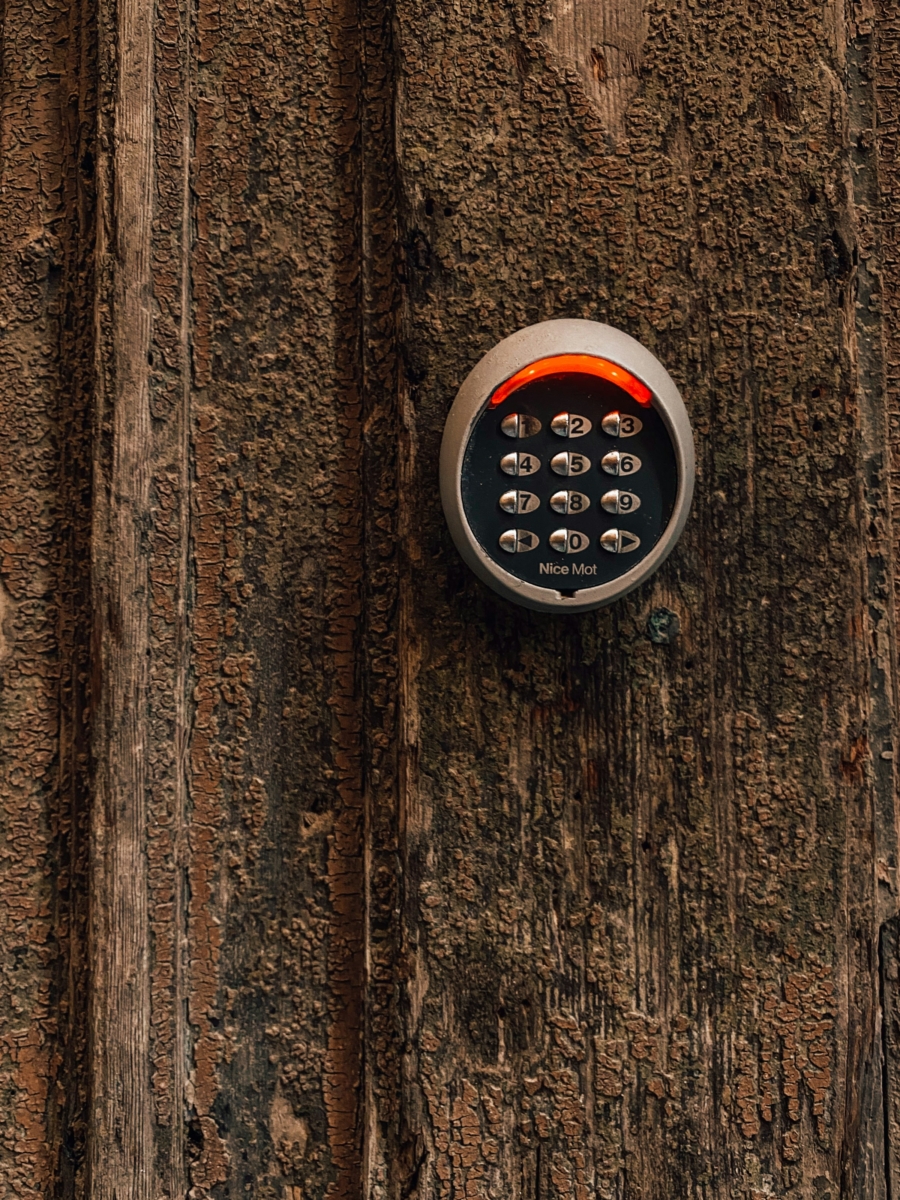
Rechargeable Battery and Electric Door Lock in Korea
It’s customary to look for rechargeable batteries for price or for environment or otherwise. My go-to guide on the matter thus far: rechargeable battery is like LED light bulbs of AAs, high upfront but cheaper in the long run. AA or AAA batteries go into remotes are less an issue — they tend to last a lot longer than common household appliances. Perhaps children’s toys, mouse and keyboard, if they are not USB based yet, are few household items that can take real advantage of rechargeable batteries.
Digital door locks, though it wasn’t common in America when I left, have been common-place appliances in South Korea for over decades. Even rental properties have these passcode locks. So much so only locks with keys are only found in public lockers and older cars. But these electric locks specifically require 1.5V AA or AAA batteries to function, and 1.2V NiMH rechargeable batteries are not the real alternatives. Rechargeable Li-ion batteries (in AA or AAA shapes) output 1.6V, but it dies without a warning — a catastrophe which electric door lock is designed to prevent by measuring voltage output. But Lithium has sharp decrease in voltage output only when it is near depletion. The ordinary detection scheme designed for alkaline, with its gradual downfall, does not work.
What got me thinking was how odd it was these door locks are using disposable batteries, when there are clearly rechargeable alternatives. Just to reiterate, door locks in Korea are smarter than most people give credit for; they are hooked up to smart home system (which is yet another common-place appliance), including the intercom. If they want to use stick batteries, (in-device battery packs found in smartphones, power banks, and etc.) it can totally use two battery pack systems for redundancy during charging. It can also be designed around 1.2V rechargeable. The options are limitless, and the choice to use alkaline of all things seems rather wasteful.
After all that, there are only limited applications for rechargeable batteries left in South Korea. Heck, most of the fidget toys I buy for desks use USB. No doubt actual toys are moving away from disposable. The only two areas left for AA and AAA are remotes and door locks, and neither make it an easy case to save few bucks in the long run. Environment would have followed, if economy had led.
Comments will be automatically closed after 30 days.