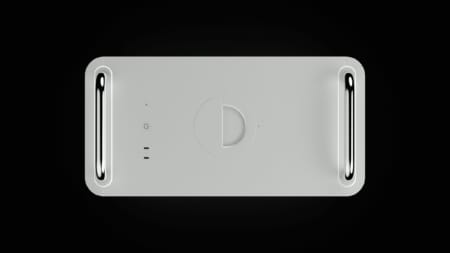
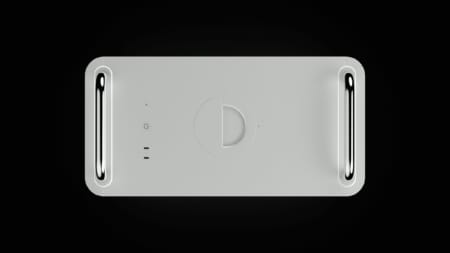
Tagged Mac Pro

Mac Pro, Mac Studio, and Mac Clusters

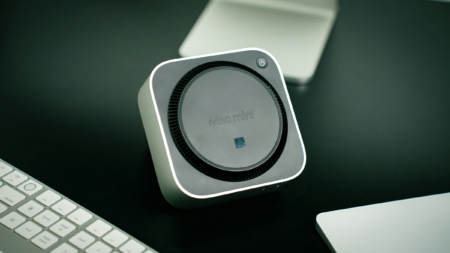
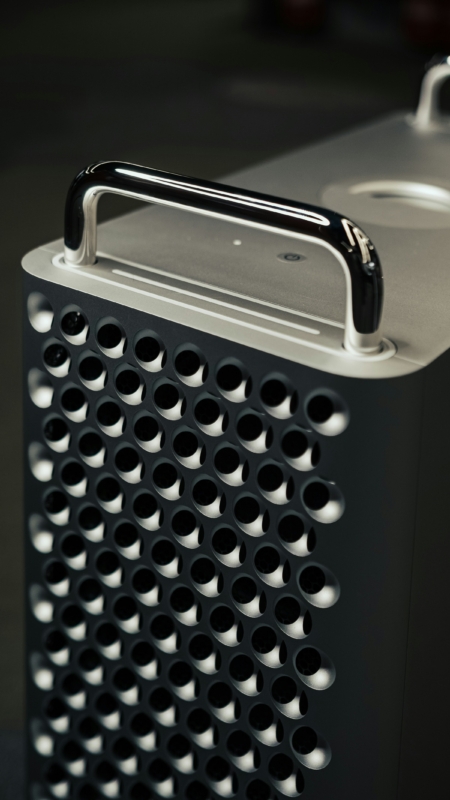
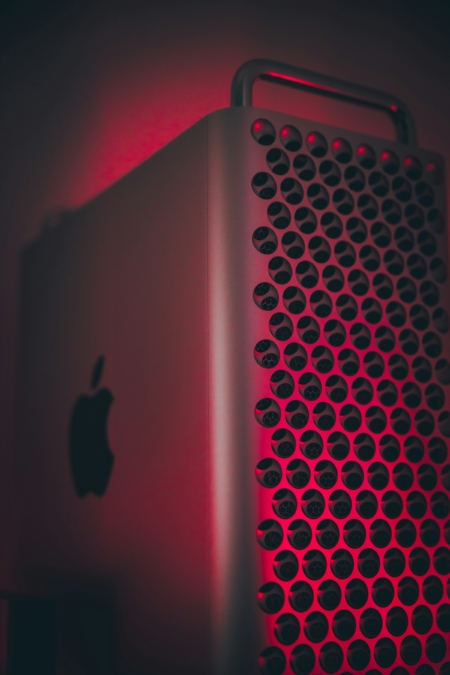
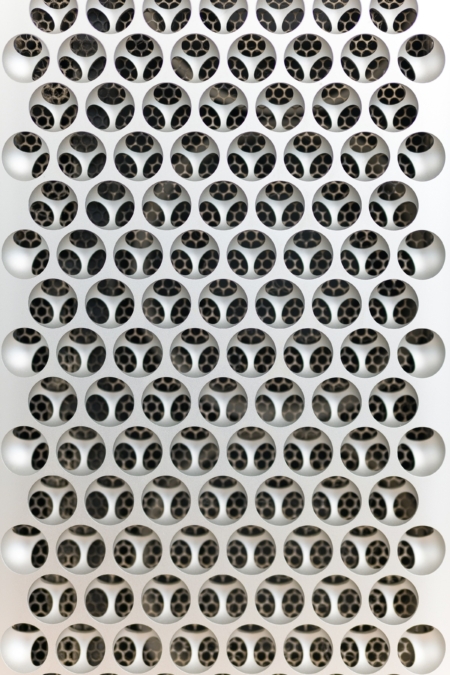
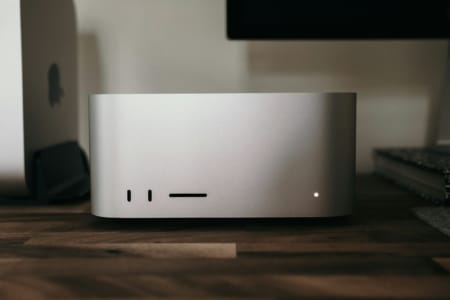
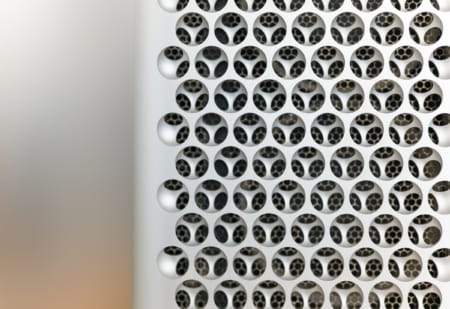
macOS 26.2 is expected to release a new Mac Cluster feature that runs on full Thunderbolt 5 bandwidth (80Gbps) compared to what is available now at 10Gbps. The coverages surrounding the end of Mac Pro line, which I happen to agree with, suspect Mac cluster update will be the final nail in the coffin for Mac Pro.

The Sale of Intel Mac Pro Pt. 2: Regional Support

I thought to expand on the whole regional support issue I had mentioned in the prior post. If you are here for the “regional support” only, the only relevant info from the previous op-ed is that it was one of the reasons why I ended up selling my machine. Warranty and importation in South Korea are tad bit weird in my opinion.

The Sale of Intel Mac Pro

This is merely a beginning of my long journey into transition out of Intel Macs. I first started looking into how other Intel Mac owners are faring in South Korea, as the region is quite unusual when it comes to trade-ins, and I wanted to see what my options were with my old Mac Pro. It was odder than I expected as most trade-in businesses were interested in Apple laptops, the ARM laptops, and hardly had any experience handling a Mac that is fully fledged desktop, let alone x86 machines, or all-in-one like iMacs.

Retiring Last Intel Mac

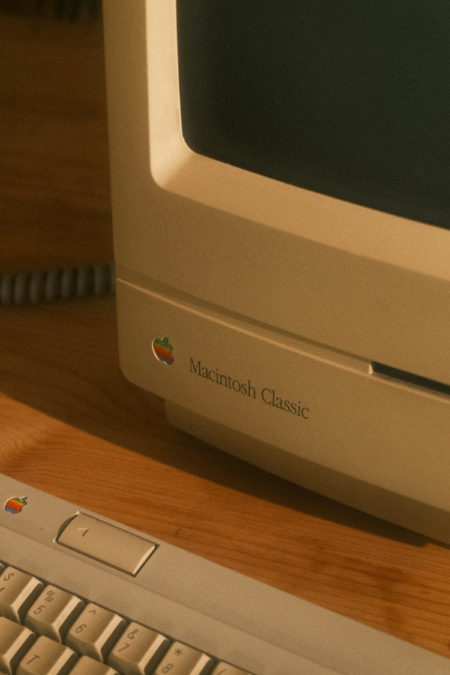
Apple has already announced macOS 26 Tahoe will be the last major update for Intel Macs. The announcement roughly translates to Intel Macs will have one more year of software support until 2027, and with the release of macOS 27, x86 Macs will be no more. Not that it will decommission itself; but I’m already seeing the impact of Apple Silicon on the ecosystem as a whole, as more apps, even the universal ones, are simply too demanding.

Goodbye Intel Macs and Mac Pros

Apple is finally shutting down all Intel support for macOS in coming 2026. macOS Tahoe, or 26, will be the last version to support x86 Macs as know it. Given the timing, it means within a year or so, most users would also need to switch over to Apple Silicon unless they have specific reason to stay with an Intel machine that is no longer receiving software updates. It would also mark the end of Hackintosh endeavor as we know it.

Tariffs, Apple Silicon, and The Last Intel Mac

Few weeks ago, I hinted a notion that I was waiting for a possible MacBook Pro update, more powerful chips and OLED displays preferably, and until then my Intel Mac Pro will have to do. Now that America has started worldwide trade war against every nations and unoccupied islands, it peaked my interest how others are adapting to the possible price hike.

OLED Screens, Mac Studio, and MacBook Pro

My last TV, the one I had replaced just few months ago, lasted well over a decade. It was a 3DTV, (the one with the 3D glasses) but as far as the screen goes as a generic television, its panel wasn’t damaged even as I was planning to have it upgraded. It didn’t support HDR or 4K, and any smart features it came equipped with fell out of software maintenance, but it was ‘functional’. I will leave it at that. No doubt I can dig up some expert opinions on the longevity of consumer grade TV panels, but that’s not…

M4, M4 Extreme, and eGPU

eGPU, the popular Thunderbolt solution for underpowered laptops, seems to be sitting on the back burner for Apple. Considering MacBooks did open the way with much of the eGPU devices and support in the early days, it does make me wonder if the Californian company is seriously considering to make Apple Silicon chips to compete against dGPUs. Despite their outrageous price range, —flagship graphics card can easily account for one-third, if not half of the laptop’s price tag— there is always a demand. And I believe Mac Mini, with its affordable price and scalability, has shown that there is still…

Benchmarks, dGPU, and Apple Silicon

When I bought my Mac Pro in 2019, I was running under the two assumptions: a. Apple may not be able to deliver competent SoC until later iterations, b. Apple will surely support Pro models for non-ARM works. I was sorely mistaken on both parts. Apple did deliver its M1 with huge success, and now Mac Mini —that Mac Mini— is on the list for cheapest and most cost-effective workstations. What really caught me off guard was how Apple showed no hesitance to throw away its AMD graphics card support, the last of its kind on Mac front.

Apple Intelligence, PCC, and M4 Macs

Apple Intelligence is in beta still. Some articles I’ve read unfortunately did not understand Apple Intelligence is to be deployed gradually, and while I would argue Apple’s ‘sell now, build later’ tactic to be disingenuous, I would simply disagree current Apple Intelligence is what will be for the remainder of fiscal year. But let us not dwell on the features that are promised or still in beta; let us discuss the hardwares that are supposedly powering Apple Intelligence.

How to Fix Error 173 on Intel Mac Pro dGPU

Of many things Apple Silicon brought, I am still curious whether or not Apple is willing to bring dGPUs into Mac Pro lines of their products. Despite how useful other PCI-based cards may be, most users, at least the ones that are most vocal, express their desire to use more powerful graphics card on Mac Pro, like it used to be.

Intel Mac, DirectX 12, and GPTK

Apple Silicon is more than a mere brand name for Apple branded chips. It’s now a platform that is synonymous with every tools that come with it. This, in turns, has a side effect of “killing off” Windows compatibility softwares, for the lack of more broader term, on Intel Macs. Not that it doesn’t have a trump card in its sleeves.

How to Band-Aid Fix Unity Graphical Artifacts on Intel Macs

This piece is not a technical explanation on what is happening. I wanted to document what I found and hear from other people as well on the potential fix, and possibly Unity and game developers’ input to actually fix the problem. Apple Silicon does make an enticing platform, hence, more the reason why this will never be fixed properly, so every bit of info could be helpful to the actual users and players on Intel Macs.